





Matt LaFontaine Chevrolet GMC Group

Blog / Maintenance

Blog

All Maintenance New Inventory Matt LaFontaine Chevrolet GMC Pre-Owned Inventory 2026 GMC models Chevy Vehicles Chevy Equinox Chevy Traverse Chevy Silverado 1500 Service Grayling Chevrolet Dealer Chevy Blazer Chevy Blazer EV Chevy Equinox EV Chevy Suburban Chevy Tahoe Chevy Trax Finance GMC News People Social Body Shop Chevy Colorado Chevy Silverado 2500 Community Events Chevrolet Safety Technology Chevy Malibu Chevy Silverado EV Chevy Silverado HD Chevy Trailblazer Frederic Chevrolet Dealer Green The GMC Sierra 1500 Chevy EV Matt LaFontaine Chevrolet GMC Service Rental Testimonials Wheel Alignment
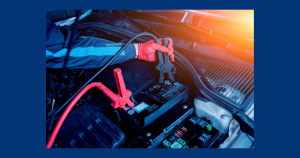
Car battery | Matt LaFontaine Chevrolet GMC in Grayling, MI

3 Signs Your Chevy's Battery Needs Replacement

The battery is one of the most important components in your Chevy, as it supplies the electrical charge that cranks the engine so combustion can begin. It weakens naturally over time and usually needs replacement every three to five years. As your Chevy dealership, we'd like you to know some signs that you need to visit us for a battery replacement. Extreme Cold Our cold Michigan winters weaken car batteries and can even cause an older battery to fail. At 32°F, a battery loses approximately 20% of its power and storage capacity. At 0°F, this increases to 50%. The chemical reactions inside a battery slow as the temperature drops, and the electrolyte solution inside can freeze. more Low temperatures also cause engine oil to thicken, forcing the battery to use more of its limited power to get the engine started. We recommend testing your battery before winter arrives, particularly if it's three years or more old. Our technicians will connect your battery to our battery tester. This machine provides vital information on battery health and can identify any issues with the battery. If your battery is worn, we can install a replacement in just a few minutes. Bad Smell A rotten egg smell from the engine compartment is a sign that your battery is failing. Sulfuric acid reacts with the copper plates inside the battery to store electricity as chemical energy. These chemical reactions weaken the acid over time, lowering the battery's storage capacity. As the sulfuric acid naturally breaks down, it releases hydrogen gas. Hydrogen gas molecules escape the battery and mix with sulfur molecules in the engine compartment to form hydrogen sulfide. This new chemical is corrosive and toxic and smells like rotten eggs. Hydrogen sulfide will start to corrode the terminals, further weakening the battery. We can temporarily remove the corrosion, but the battery will continue to weaken. Once we install a new battery, the foul smell will disappear. Loose Battery Connections A battery connects to the electrical system using two cables, one connected to the positive battery terminal and the other to the negative terminal. This allows the battery to supply the power needed to start the engine and recharge. The cables are securely attached to the battery, as electricity can't pass through a gap. As time passes, battery cables move slightly due to the minute vibrations caused by driving. If one or both loosen, the battery loses contact with the electrical system. This prevents the battery from supplying the power to crank your engine, and your Chevy won't start. We'll examine the cables and tighten them if necessary to fix this issue. If you have a battery problem, contact our service department here at Matt LaFontaine Chevrolet GMC in Grayling, MI. Our experienced technicians are ready to get your vehicle into tip-top shape – visit us today!
Chevy tires | Matt LaFontaine Chevrolet GMC in Grayling, MI

The Ultimate Service Checklist for Maintaining Your New Chevy

Your service checklist can be found in your Chevy manual. It details all your vehicle services and the mileage milestones when they need to be performed to keep your Chevy running smoothly and efficiently. As your trusted Chevy dealership, we'd like to tell you more about some of these services that’ll keep your vehicle in great shape. From Your Chevy Dealership: Essential Services on Your Service Checklist Coolant System Service The cooling system is essential for your vehicle's health and performance. Combustion generates large quantities of heat, and excessive heat can damage sensitive engine components. Coolant is pumped through your engine, absorbing heat as it moves. The heat is transported to the radiator, where it's removed by heat exchange. more Over time, radiator hoses can crack and leak, the radiator can become blocked by sludge, and the coolant will degrade. In addition, components like the thermostat or water pump can fail. A malfunctioning cooling system can cause your engine to overheat and suffer major damage. A regular cooling system service prevents these issues, as our technicians will identify and repair any minor issues before they have the chance to develop into problems. Oil Replacement Oil lubricates numerous engine components, protecting them against friction damage and allowing them to move smoothly. It reduces the engine temperature by cooling the hot components it passes over. In addition, oil additives prevent rust in the engine, break down harmful engine deposits, and keep the engine clean. Regular oil changes are important for engine health, as older oil becomes slower and thicker due to absorbing dirt and minute engine debris. Thicker oil is less effective at lubrication and cooling, and can block the oil filter. A blocked oil filter will decrease engine performance, increase component wear and tear, and increase dangerous emissions. We can drain and replace the oil and install a new filter in minutes to prevent these issues. Brake Fluid Replacement The braking system is arguably the most important safety system in your Chevy. It allows you to control your speed and stop at any time, giving you complete control over your vehicle. Brake fluid provides the hydraulic power that forces the braking system to engage, but like all fluids, it will degrade in time. Older brake fluid absorbs water and becomes less heat resistant. The force of braking generates heat, and the water in the fluid can overheat and boil. This heats the brake fluid, and you'll smell a strong chemical stench. In this situation, we advise pulling over and allowing the fluid to cool, as hot brake fluid doesn't generate hydraulic power, and your brakes will fail. We fix this problem by draining and replacing the fluid. If you'd like to know more about your maintenance schedule or to book a service, contact us today at Matt LaFontaine Chevrolet GMC in Grayling, MI.

Contact Us

Fill out this form below and we'll contact you shortly
*Required Fields